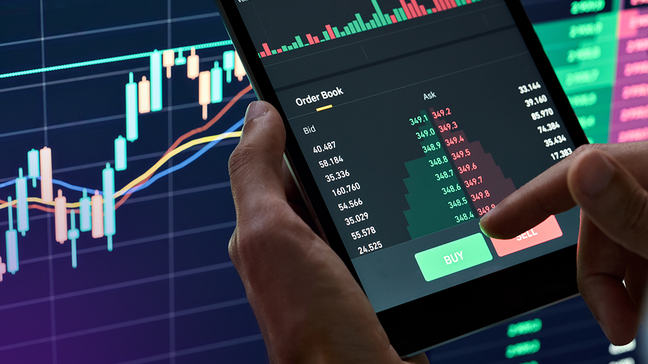
Technical Tools for CFD Position Management
markets. Given the leveraged nature of cfd trading and the inherent volatility of underlying assets, traders must utilize a range of technical tools to monitor, adjust, and optimize their positions. Employing these tools helps mitigate risk, enhance decision-making, and improve overall trading outcomes.
Understanding Position Management in CFDs
Position management refers to the ongoing process of overseeing open trades to maximize profits while limiting losses. Unlike traditional investing, CFD trading often involves shorter time frames and active adjustments, making robust technical support essential. The following tools have become integral to managing CFD positions efficiently.
1. Stop-Loss and Take-Profit Orders
Stop-loss and take-profit orders are fundamental tools that automate exit points to control risk and lock in profits.
• Stop-Loss Orders: These automatically close a position when the market price hits a specified unfavorable level, preventing further losses. Placing a well-calibrated stop-loss helps safeguard capital against unexpected market movements.
•
• Take-Profit Orders: These close a position once a favorable price target is reached, securing gains before market reversals occur. This tool helps traders stick to their profit goals without second-guessing.
•
Together, these orders create a disciplined framework for position management by removing emotional decision-making.
2. Trailing Stops
A trailing stop dynamically adjusts the stop-loss level as the market moves in the trader’s favor. This tool allows traders to protect accumulated profits while giving the trade room to grow. Trailing stops are especially useful in trending markets, enabling an adaptable approach that locks in gains but avoids premature exits.
3. Technical Indicators
Technical indicators provide valuable insights into market trends, momentum, volatility, and potential reversal points. Popular indicators for position management include:
• Moving Averages: These smooth price data to highlight trend direction and strength, helping traders decide whether to hold or close positions.
•
• Relative Strength Index (RSI): RSI measures momentum and indicates overbought or oversold conditions, signaling possible trend reversals.
•
• Bollinger Bands: These bands gauge market volatility and can help identify breakout or breakdown points, aiding in adjusting stop-loss or take-profit levels.
•
By combining multiple indicators, traders develop a comprehensive view of market conditions and optimize their position management strategies.
4. Chart Patterns and Price Action
Recognizing chart patterns such as head and shoulders, double tops/bottoms, and trendlines assists traders in anticipating market moves. Price action analysis—studying candlestick formations and support/resistance levels—further refines entry and exit timing.
Integrating chart patterns with other technical tools strengthens decision-making on when to modify or close CFD positions.
5. Risk-Reward Analysis
Effective position management also involves evaluating the risk-reward ratio before entering and while managing trades. Setting targets where potential reward outweighs risk encourages disciplined trading and helps avoid emotionally driven decisions.
Using technical tools to establish clear entry, stop-loss, and take-profit points aligns risk-reward parameters with market realities.
6. Trading Platforms and Alerts
Modern CFD trading platforms offer advanced features such as customizable alerts, real-time data feeds, and automated order execution. Alerts notify traders of significant price levels or indicator signals, enabling timely adjustments to positions. Automated execution ensures stop-losses and take-profits are enforced precisely.
Leveraging technology enhances the speed and accuracy of position management, crucial in fast-moving CFD markets.
Conclusion
Technical tools form the backbone of effective CFD position management. From setting stop-losses and trailing stops to utilizing technical indicators and chart analysis, these tools enable traders to navigate market complexities with greater confidence. Coupled with disciplined risk-reward evaluation and leveraging modern platform features, traders can optimize their position management practices. Mastery of these technical tools not only minimizes risk but also maximizes the potential for consistent profitability in the dynamic CFD trading environment.